Melasma Treatment in Madison, MS
Clearer, More Even-Looking Skin Starts With the Right Treatment Plan
Melasma can be frustrating. The discoloration may fade temporarily, return without warning, or become darker after heat, sun exposure, hormonal changes, or aggressive treatments.
At You! Wellness & Med Spa in Madison, Mississippi, we take a careful, individualized approach to melasma. Rather than simply treating what is visible on the surface, we evaluate the type, depth, triggers, and history of your pigmentation before recommending treatment.
Our goal is not to promise an overnight cure. It is to help you safely reduce the appearance of discoloration, improve overall skin tone, and create a long-term plan that helps minimize recurrence.
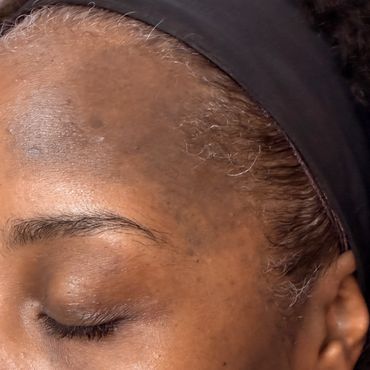
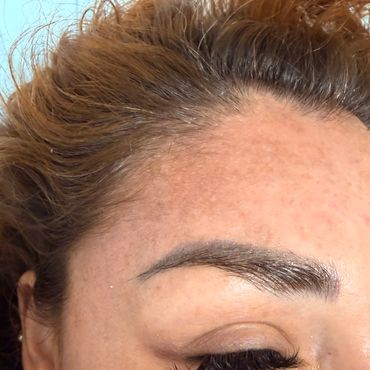
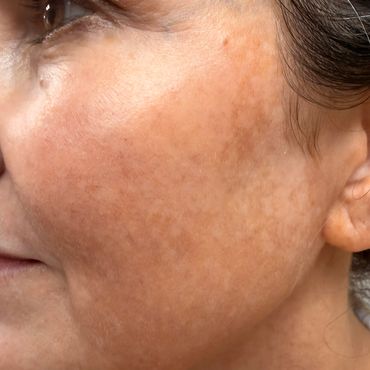
WHAT IS MELASMA?
Melasma is a chronic pigmentation condition that causes irregular brown, gray-brown, or tan patches on the skin. It most commonly appears on the:
- Cheeks
- Forehead
- Upper lip
- Nose
- Chin
- Jawline
Although melasma can affect anyone, it is especially common in women and in people with medium to deeper skin tones.
Melasma is often triggered or worsened by:
- Sun exposure
- Heat
- Pregnancy
- Hormonal changes
- Birth control
- Hormone replacement therapy
- Certain medications
- Skin inflammation
- Genetics
- Visible light exposure
Because melasma can involve pigment at different depths within the skin, successful treatment usually requires more than one method.
WHY MELASMA CAN BE DIFFICULT TO TREAT
Melasma is not the same as a simple sunspot. Some pigmentation sits closer to the surface of the skin, while other pigment may be located deeper within the dermis. Many patients have a combination of both. This is why a treatment that works well for one person may not be appropriate for another.
Melasma can also become worse when the skin is exposed to too much heat or inflammation. Aggressive laser treatments, intense pulsed light, harsh chemical peels, and improper home treatments may trigger post-inflammatory hyperpigmentation or make existing melasma appear darker. At You! Wellness & Med Spa, we focus on controlled, conservative treatment designed around your skin type and pigmentation pattern.
ADVANCED MELASMA TREATMENT WITH PICOFY
PicoFy is an advanced picosecond laser system that delivers ultra-short pulses of energy to target unwanted pigment. Instead of relying primarily on heat, picosecond technology creates a rapid photoacoustic effect that helps break pigment into smaller particles. These particles can then be gradually cleared through the body’s natural processes. This controlled approach may help reduce unnecessary heat exposure in the surrounding skin, which is especially important when treating melasma-prone skin. PicoFy treatments may help improve the appearance of:
- Epidermal melasma
- Dermal melasma
- Mixed-depth melasma
- Sun damage
- Uneven skin tone
- Hyperpigmentation
- Post-inflammatory pigmentation
- Freckles and brown spots
- Dull or uneven-looking skin
Not every patient with melasma is automatically a candidate for laser treatment. A consultation is necessary to determine whether PicoFy is appropriate for your skin.
A PERSONALIZED APPROACH TO MELASMA
Melasma treatment should never be one-size-fits-all. Your plan may include a combination of:
- PicoFy laser treatments
- Medical-grade skincare
- Prescription or compounded topical products
- Pigment-inhibiting ingredients
- Gentle chemical exfoliation
- Daily broad-spectrum sunscreen
- Tinted mineral sunscreen
- Antioxidant support
- Maintenance treatments
- Lifestyle and trigger management
We will also discuss the factors that may be contributing to your pigmentation, including sun exposure, heat exposure, hormones, medications, skincare products, and previous treatments.
WHAT TO EXPECT DURING A PICOFY MELASMA TREATMENT
Before treatment, your skin will be cleansed and evaluated. Protective eyewear will be provided. During the procedure, the PicoFy handpiece delivers rapid pulses of energy to the treatment area. Patients may describe the sensation as a series of light snaps or quick pinpricks. Treatment time will depend on the size and number of areas being treated, but facial sessions are generally completed relatively quickly. Following treatment, you may experience:
- Mild redness
- Slight swelling
- Temporary warmth
- Mild sensitivity
- Temporary darkening of pigment
- Light dryness or flaking
Most patients can return to normal daily activities soon after treatment, although individual recovery varies.
FOLLOW CHRISTINE'S MELASMA JOURNEY
WEEK ONE
We're Going to Go Behind the Scenes
Christine invites everyone to follow her on a journey to treat her hormone-related melasma.
The Night Before Melasma Treatment 1
Christine talks about her preparation for melasma treatment.
Right Before Christine's Melasma Treatment
Christine shares her feelings going into her first session to treat her melasma.
Melasma Treatment 1
Watch as Christine Undergoes Picofy Laser Treatment for Hormone Related Melasma
6 Hours After Laser Treatment for Melasma
Christine describes what it feels like several hours after her first Picofy Laser treatment for melasma.
The Day After Laser Treatment for Melasma
An update on what you can expect the day after laser treatment for melasma.
Frequently Asked Questions
Please reach us at Info@youwellness.net if you cannot find an answer to your question.
Melasma usually requires a series of treatments rather than a single session.The number of treatments you may need depends on:
- The depth of the pigment
- How long you have had melasma
- Your skin type
- Previous treatments
- Hormonal influences
- Sun and heat exposure
- Your home skincare routine
- How your skin responds to treatment
Many patients benefit from a series of treatments spaced several weeks apart.Because melasma is a chronic condition, maintenance treatments and consistent home care may be needed to preserve improvement.
Changes usually develop gradually.Some patients begin noticing improved clarity and a more even-looking complexion after the first few treatments. Deeper or more persistent pigmentation may take longer to improve.Your skin may continue to change over several weeks as fragmented pigment is naturally cleared.Results vary, and no melasma treatment can guarantee permanent pigment removal.
You may be a candidate if you have:
- Brown or gray-brown facial pigmentation
- Melasma that has not improved with skincare alone
- Pigmentation that returns after previous treatment
- Uneven skin tone caused by hormonal changes
- Persistent discoloration after pregnancy
- A history of sun-related pigmentation
- Mixed or difficult-to-treat hyperpigmentation
You may need to delay treatment if you:
- Are pregnant
- Are breastfeeding
- Have an active infection
- Have open wounds in the treatment area
- Have recently tanned
- Are taking certain photosensitizing medications
- Have recently used specific acne medications
- Have an uncontrolled medical condition affecting healing
Your medical history, medications, and skincare products will be reviewed before treatment.
Some lasers and aggressive energy settings may worsen melasma by creating excess heat or inflammation. This is why careful patient selection, conservative treatment parameters, sun protection, and proper aftercare are essential.
Yes. Melasma can return, even after successful treatment.Common triggers include:
- Sun exposure
- Heat
- Hormonal changes
- Pregnancy
- Certain medications
- Inconsistent sunscreen use
- Skin irritation or inflammation
Long-term management is an important part of melasma care.We will help you develop a maintenance plan that may include daily sun protection, targeted skincare, pigment-suppressing products, and periodic in-office treatments.
Picosecond technology may be used in a wide range of skin tones, but treatment must be customized carefully. Your skin type, pigmentation depth, medical history, and risk of post-inflammatory hyperpigmentation will be evaluated before treatment.
Most patients describe the sensation as mild to moderate snapping or prickling. Comfort varies depending on the treatment area and individual sensitivity. Downtime is usually limited, but temporary redness, warmth, swelling, dryness, or darkening of pigment may occur.
Downtime is usually limited, but temporary redness, warmth, swelling, dryness, or darkening of pigment may occur.
You may be asked to avoid makeup for a short period after treatment, depending on how your skin responds. You will receive specific aftercare instructions.
Yes. A carefully selected home skincare regimen is often an important part of melasma treatment. However, some products may need to be stopped before and after your appointment.
Pricing depends on the size of the treatment area, the type of treatment recommended, and whether a treatment series is needed. Exact pricing will be discussed during your consultation.
Melasma develops when pigment-producing cells in the skin become overactive and produce excess melanin. It is often influenced by a combination of genetics, hormones, sun exposure, heat, and visible light.
Common triggers include pregnancy, hormonal changes, birth control or hormone therapy, sun exposure, heat, certain medications, and skin inflammation. For many people, more than one factor is involved, which is one reason melasma can be persistent or return after it has improved.
Because triggers vary from person to person, successful melasma management often involves more than simply treating the visible pigment. Identifying your individual triggers, protecting the skin from sun and visible light, and developing an appropriate treatment and maintenance plan can all play an important role in achieving and maintaining improvement.
SCHEDULE A MELASMA CONSULTATION IN MADISON, MS
You do not have to keep guessing which product, peel, facial, or laser is right for your pigmentation. Let us evaluate your skin and help you understand your options.
This website uses cookies.
We use cookies to analyze website traffic and optimize your website experience. By accepting our use of cookies, your data will be aggregated with all other user data.